Om Articles is a curated collection of current, thoughtful writing from across the wellness, movement, and mental health landscape. Each piece is shared intentionally — with context, reflection, and practical insight — so you can explore ideas that support balance, resilience, and embodied living.
Keep it calm. Keep it grounded.
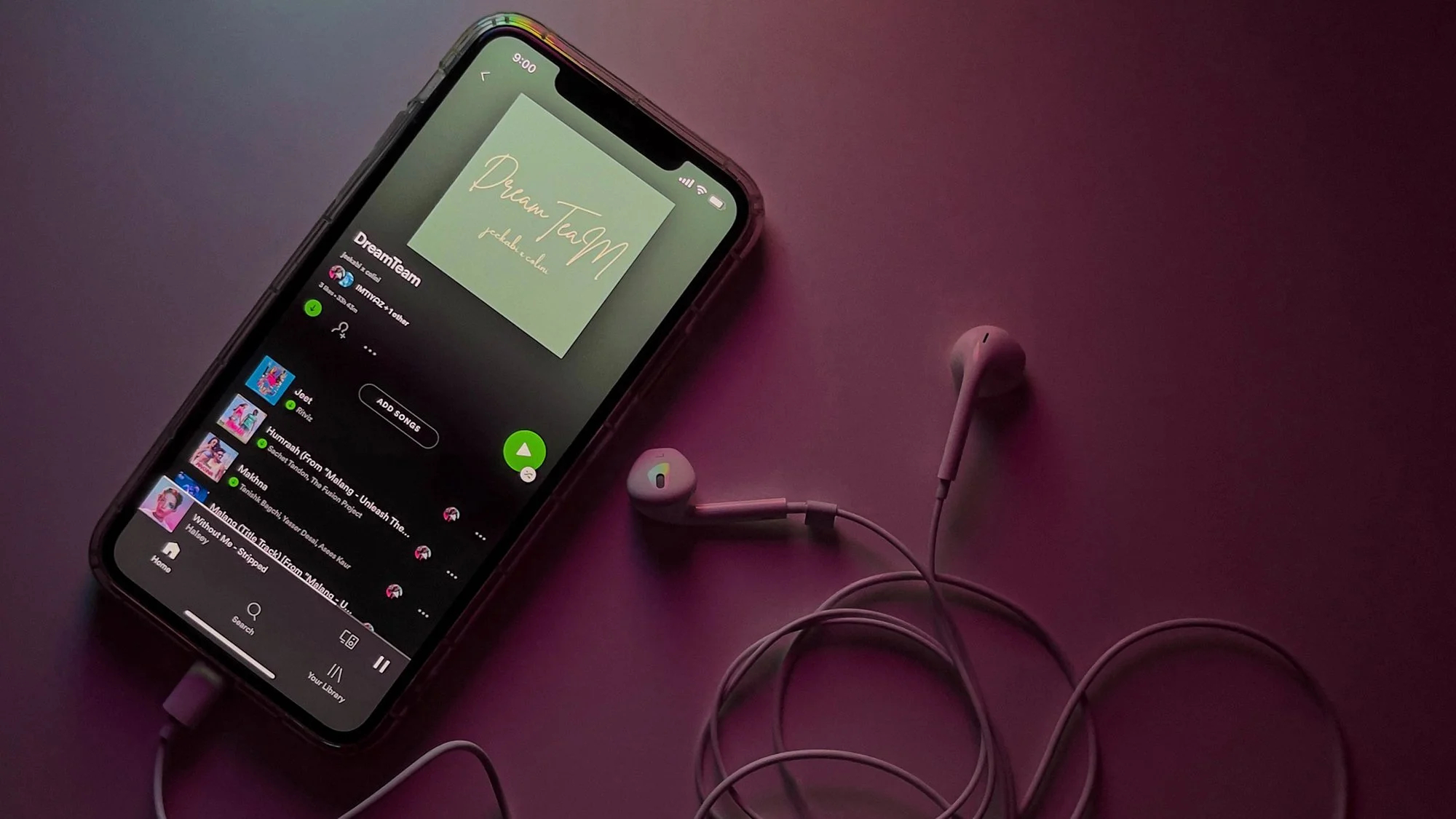
Your Playlist is Literally Making You Stronger (and Science Just Proved It)!
I have been saying this for years to anyone who will listen: the playlist matters. Not just for vibe, not just for energy — it matters in a way that directly affects your output, your endurance, your willingness to stay in the uncomfortable places where growth actually happens. And now there’s a study that finally put numbers on what I’ve always known in my body.
The Summer Slide: What Happens to Your Body When You Fall Off Your Fitness Routine — and Why It's Worth Staying the Course
Summer has a way of dismantling the best-laid fitness plans. Vacations, heat, shifting schedules — and suddenly the habit you spent months building goes quiet. But this isn’t just a motivation problem. The science of detraining shows your body begins losing cardiovascular fitness within 10-14 days, and strength follows within weeks. Here’s what summer fitness lapse actually cosrs you — and what the research says about staying the course.
Keyboard Warriors: Why the Internet Turns Perfectly Decent People Into Absolute Monsters
You posted something innocent and someone came for you — hard. So what actually happens to people when they get online? The science of online aggression, dopamine, and digital cruelty is more illuminating (and more hopeful) than you’d think.
My Clients Are Right (And So Am I): The Science Behind Morning vs. Evening Workouts
I always assumed my evening-workout clients were confusing feeling awake with having energy. Fresh off sleep, cortisol up, body restored — how could morning not win? Then I read the research. Turns out, we’re both right. Here’s why.

We Were Never Meant to Live This Fast
I didn’t have a dramatic breakdown. Mine was a slow fade — a gradual dimming until one day I realized the lights had gone out and I had no idea when it happened. This is the science of why your nervous system was never built for this pace, and the warning I wish someone had given me.
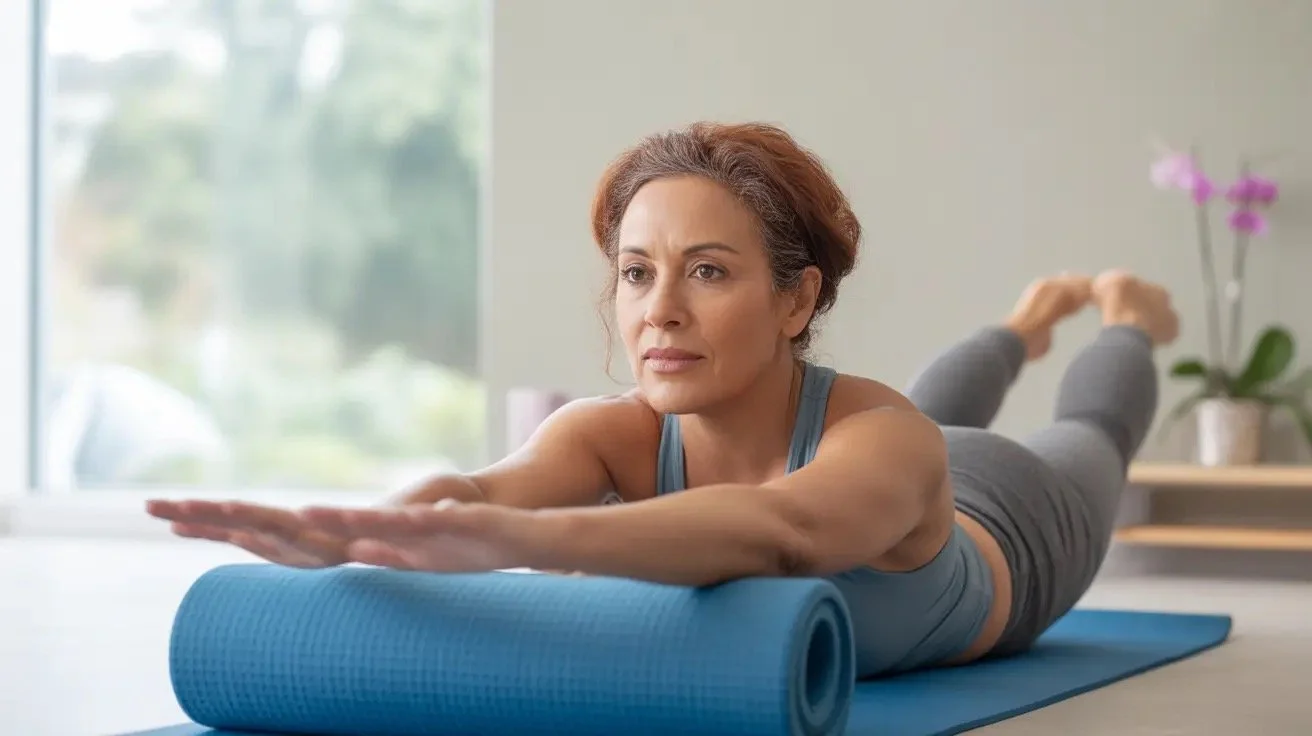
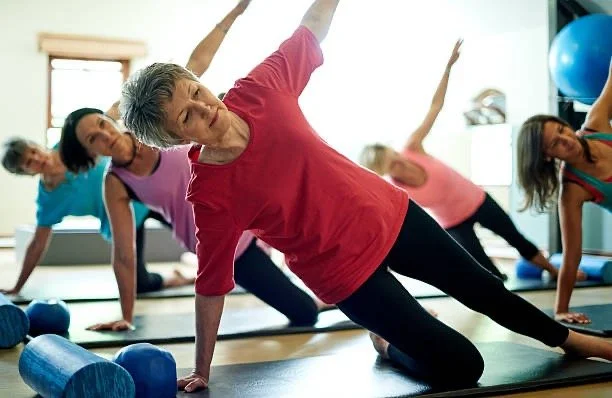
Why Premenopausal Women Are Turning to Pilates — And the Research Says They’re Onto Something
The premenopausal years bring real hormonal shifts — but research shows Pilates can help. From cortisol reduction to stronger bones and a more resilient pelvic floor, here’s what science says about why premenopausal women are making Pilates a weekly habit, and how often you should practice to see results.
Why Morning Workouts May Be One of the Best Supports for ADHD
A student told me her ADHD feels better on days she comes to bootcamp. I looked into the research — and the science behind exercise and attention is compelling.
You Train Like an Athlete. Start Recovering Like One.
When my Nurse Practitioner told me to treat myself like a professional athlete, I realized something: if you train hard or teach hard, your body is under athlete-level stress. This isn’t about hustle — it’s about physiology. Here’s what real recovery actually requires.
The Permission Effect: Why One Person Leaving Can Influence a Whole Fitness Class
After more than twenty years teaching group fitness, I’ve noticed a pattern: when one person leaves class early, others often follow. It’s subtle, but powerful. This isn’t coincidence — it’s psychology. Here’s why quitting spreads, why energy is communal, and why I ask clients to leave quietly if they need to go.
Why Group Exercise Works Better Than Going It Alone: It’s Not Just Social, It’s Neurological
Group exercise produces more consistent, lasting results than solo workouts — not because of motivation, but because of how the nervous system responds to shared effort, structure, and safety.
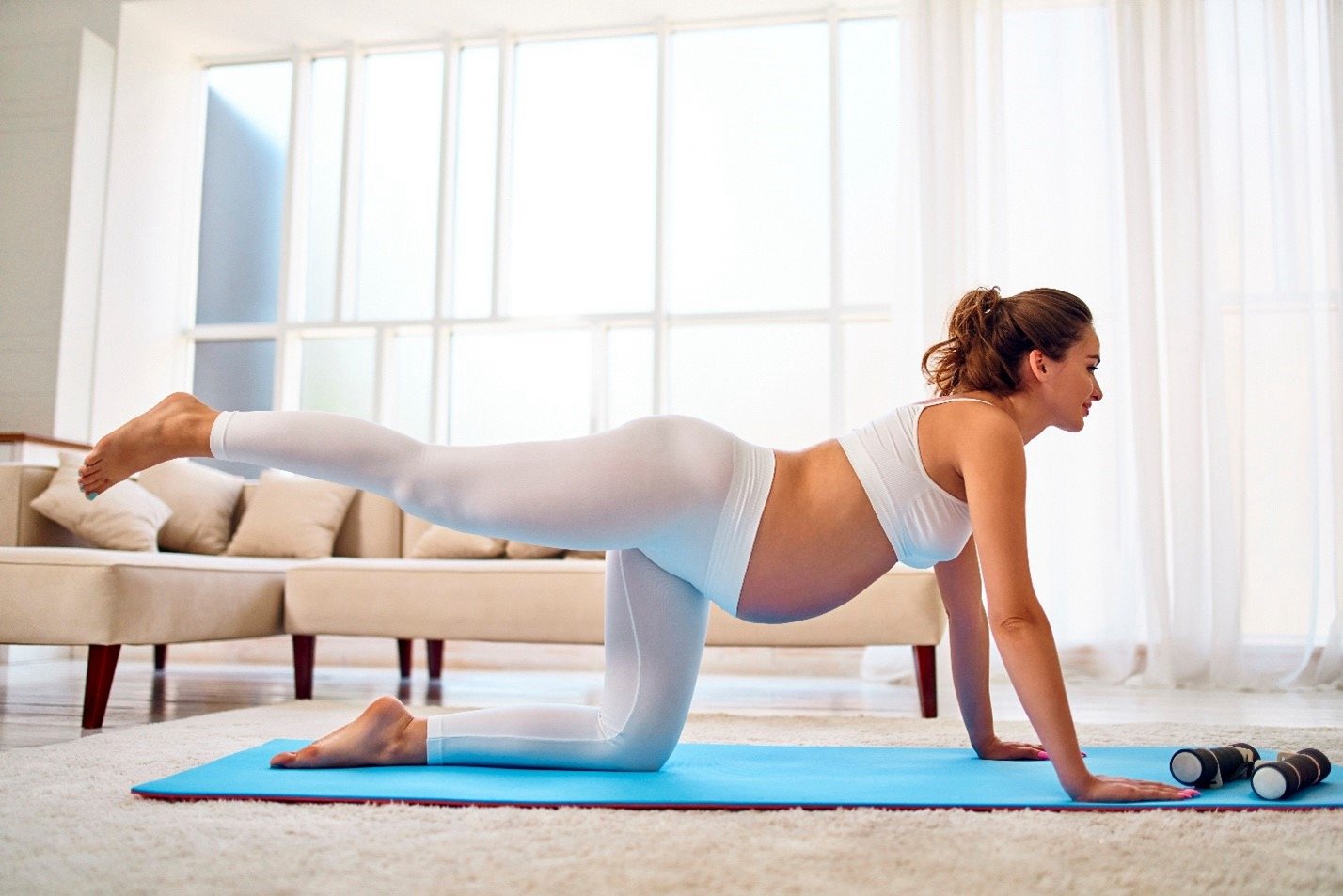
Strong Before, Supported After: Pilates for Pregnancy and Postpartum
Pilates offers a supportive, intelligent approach to movement during pregnancy and postpartum recovery. From first-time pregnancies to later births, Pilates helps women stay connected to their changing bodies, build functional strength, and move with confidence through every stage.
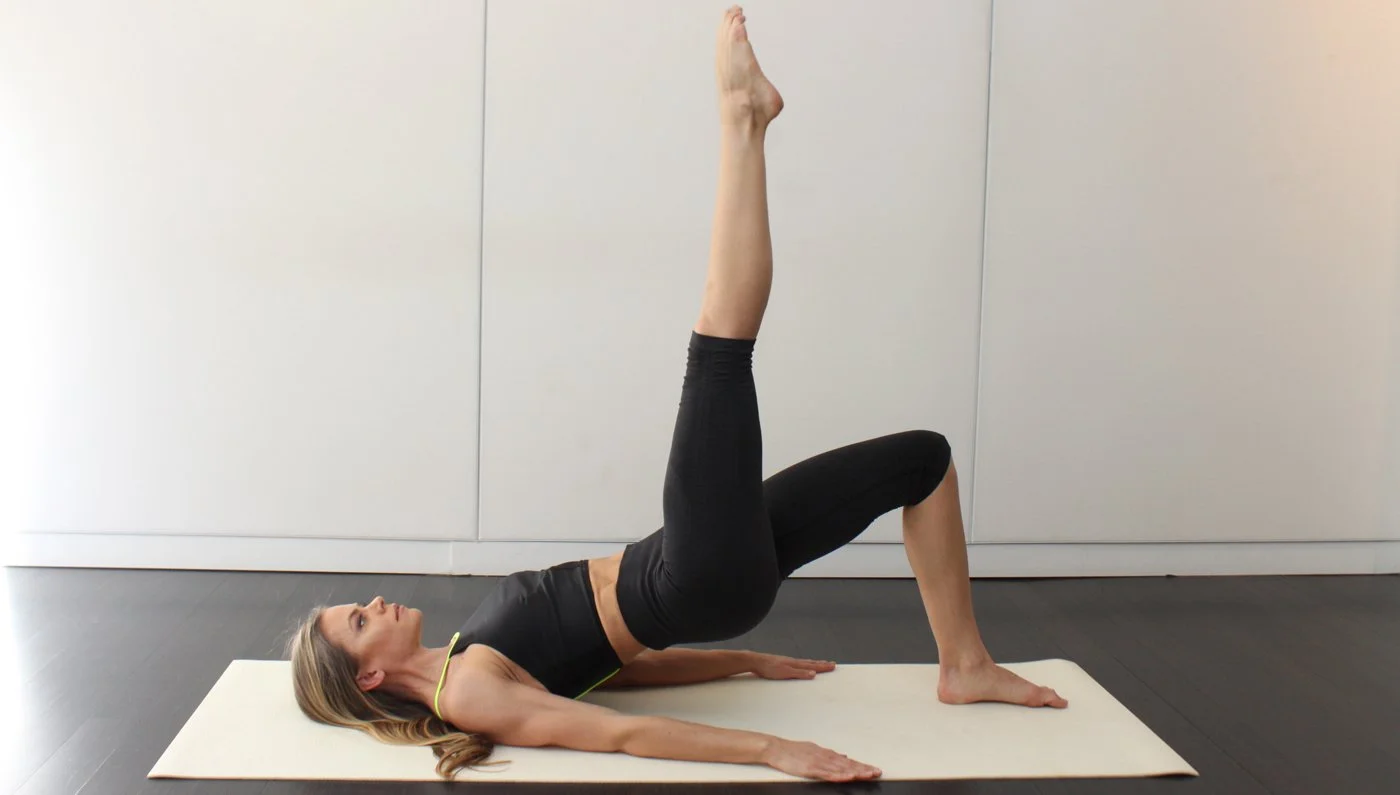
Why Slower Is Stronger: The Case for Moving With Control
I’ve been beating this drum forever: slower isn’t just harder — it’s better. A biceps curl, a controlled negative, a leg lift, a bicycle crunch — tempo is the difference between training and just moving. Yet walk into almost any gym and you’ll see the opposite: men blasting through fast, cardio-style reps in the weight room and women flying through lightning-fast Pilates bicycles. Faster isn’t better — in fact, it’s often much worse.
Holding Space Is Not Neutral: Teaching Yoga in a Fractured, Violent Moment
Let’s stop pretending this is just “a stressful time.”
People are being executed. Rights are being stripped. Entire communities are living in fear. Families are divided by ideology, media narratives, and fundamentally different ideas of whose lives matter. The country is not simply polarized; it is destabilized. And many of us are expected to walk into studios, gyms, and classrooms and act as if this is business as usual
Smile. Breathe. Keep it light.
That expectation is not only unrealistic, it’s dishonest