
Reading Corner
Books that shift perspective, deepen understanding, and inspire growth. Explore a curated collection of titles on wellness, mindset, healing, movement, relationships, and becoming more fully yourself.
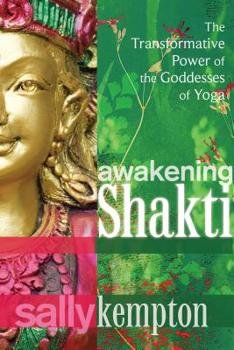
Awakening Shakti is one of those books that reminds women how powerful they truly are. I loved it because it doesn’t just talk about feminine strength in theory—it brings it to life through the stories and wisdom of goddesses from different traditions, each representing qualities we all carry within us: courage, compassion, creativity, resilience, sensuality, and transformation. What I appreciated most is how the book invites women to see themselves differently. So many of us are taught to shrink, doubt ourselves, or disconnect from our own intuition. This book feels like a call back to wholeness. It reminds you that softness and strength can exist together, and that every season of womanhood holds its own sacred power. I highly recommend Awakening Shakti to any woman who wants to feel more empowered, more connected to herself, and more inspired to rise into the fullest version of who she already is. It’s not just a book—it’s an experience.
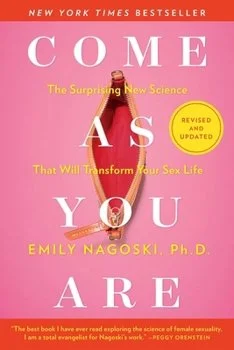
Come As You Are is one of the most important books I’ve read for women’s understanding of themselves, their bodies, and their sexuality. I loved it because it is honest, science-based, compassionate, and incredibly freeing. It challenges so many myths women are taught and replaces shame or confusion with real knowledge and self-acceptance. What stood out to me most is how the book explains that there is no single “normal” when it comes to desire, arousal, or sexuality. Women are often made to feel broken if they don’t fit a narrow script, and this book powerfully dismantles that idea. It teaches that context, stress, emotions, relationships, and self-image all matter—and that understanding yourself is far more important than comparing yourself to anyone else. I highly recommend Come As You Are to any woman who wants to feel more empowered, informed, and at peace with herself. Whether you’re healing, learning, growing, or simply wanting to understand your own experience more deeply, this book offers insight that can be life-changing.
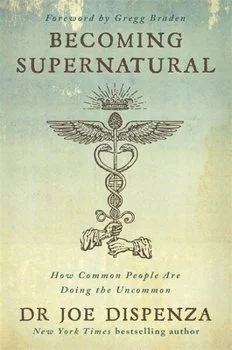
Becoming Supernatural is one of those books that expands the way you think about what is possible for your mind, body, and life. I loved it because it blends science, personal transformation, and practical tools in a way that feels both inspiring and empowering. It challenges the idea that we are stuck being who we’ve always been. What stood out to me most is the reminder that change begins internally. The book explores how our thoughts, emotions, habits, and energy shape our reality—and how intentional practices like meditation, awareness, and emotional regulation can help create real transformation. It encourages you to move beyond survival mode and into a more conscious, elevated way of living. I highly recommend Becoming Supernatural to anyone who feels ready to break old patterns, expand their mindset, and reconnect with their own potential. It’s a powerful read for people who want growth that starts from within and ripples outward into every part of life.
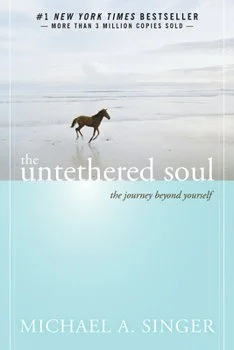
The Untethered Soul is a book that helped me understand how much of our suffering comes from identifying with fear, thoughts, and old emotional patterns. I loved it because it offers a powerful perspective shift: we are not every thought we think, and we do not have to stay trapped in old stories. This book teaches freedom through awareness, surrender, and presence. It helped me reflect on where I hold tension, resistance, and self-created limitation. I highly recommend it to anyone who wants more peace, emotional freedom, and a deeper connection to who they truly are beneath the noise.
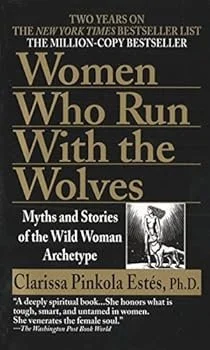
Women Who Run With the Wolves is a powerful and unforgettable book about reclaiming the instinctive, creative, wise, and wild nature that so many women have been taught to suppress. I loved it because it speaks to something deeper than surface self-help—it speaks to the soul. What stood out to me most is how it uses stories and archetypes to help women understand their strength, intuition, boundaries, and inner knowing. It reminds me that being deeply feeling, passionate, and powerful is not something to tame—it is something to honor. I highly recommend Women Who Run With the Wolves to any woman who wants to reconnect with her truth, trust herself more deeply, and remember the power that has always lived within her.
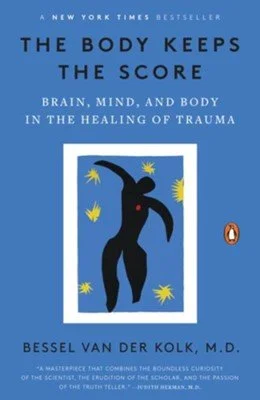
The Body Keeps the Score is one of the most eye-opening books I’ve read about trauma, healing, and the connection between mind and body. I loved it because it explains with both science and compassion how life experiences can live in the nervous system long after the event itself has passed. What stood out to me most is how validating it feels. So many people carry anxiety, tension, emotional pain, or patterns they don’t fully understand. This book helps explain why—and more importantly, how healing is possible. I highly recommend The Body Keeps the Score to anyone who wants a deeper understanding of trauma, emotional healing, and the incredible wisdom of the body.
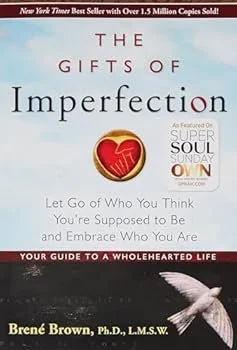
The Gifts of Imperfection is a beautiful reminder that worthiness is not something we earn by being perfect. I loved it because it gently but powerfully challenges the pressure to perform, please everyone, and hold ourselves to impossible standards. What stood out to me most is how it reframes vulnerability, authenticity, and self-compassion as strengths rather than weaknesses. It reminds me that real connection and joy come when we allow ourselves to be human. I highly recommend The Gifts of Imperfection to anyone who is tired of chasing perfection and ready to live with more courage, self-acceptance, and freedom.
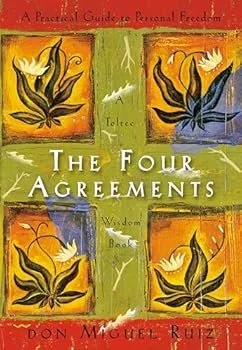
The Four Agreements is one of those simple yet deeply impactful books that can change the way you move through life. I loved it because its wisdom is clear, practical, and easy to return to again and again. Sometimes the most powerful truths are the simplest ones. What stood out to me most is how the four agreements challenge so many habits that create suffering: taking things personally, making assumptions, speaking carelessly to ourselves or others, and tying our worth to perfection. The book offers a more peaceful and empowered way to live—one rooted in integrity, clarity, and personal responsibility. I highly recommend The Four Agreements to anyone who wants healthier relationships, a calmer mind, and more freedom from unnecessary emotional weight. It’s a book that can meet you wherever you are and still offer something valuable each time you read it.

I didn’t just read Untamed — I felt like it read me. This book hit in a way that’s hard to explain unless you’ve ever had that quiet, nagging feeling that you’re living a life that looks right but doesn’t feel right. Glennon puts language to that discomfort—the kind you can’t ignore once you see it. What stood out most to me is how much of our lives are shaped by expectations we didn’t consciously choose. Be good. Be likable. Be easy. Be quiet. And somewhere along the way, you forget to ask… what do I actually want? There’s a lot of talk about “finding yourself,” but this felt less like finding and more like unlearning. Peeling back layers. Questioning everything you were taught to believe about love, success, motherhood, relationships, even your own body. I won’t pretend I agreed with every single take—but that’s kind of the point. It made me think. It made me uncomfortable in places. And it made me look at parts of my own life I’ve probably been avoiding. The biggest takeaway for me: you don’t need permission to trust yourself. But actually doing that? That’s the hard part. If you’re in a place where things feel off—even if you can’t fully explain why—this book might shake something loose. And honestly, that’s both terrifying and necessary.
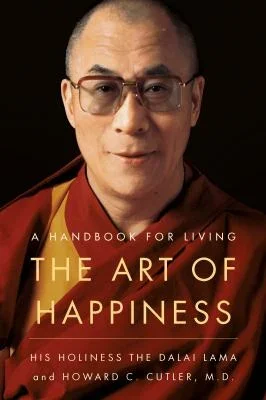
The Art of Happiness wasn’t what I expected—and I mean that in a good way. I thought it was going to be one of those overly simple “just be positive” books, and it’s not that. It’s actually much more practical, almost like a quiet, steady reminder that happiness isn’t something that just happens to you—it’s something you build, intentionally, over time. What stood out to me most is how much responsibility it puts back on you. Not in a harsh way, but in a very matter-of-fact way. Your mindset matters. Your reactions matter. The way you interpret your life matters. And that’s both empowering and… a little uncomfortable, if I’m being honest. There’s a lot in here about compassion—toward other people, but also toward yourself. And I think that’s where it really landed for me. It’s easy to say “be kind,” but harder to actually practice it when you’re stressed, hurt, or just trying to get through your day. I wouldn’t say this book is life-changing in a dramatic, lightning-bolt way. It’s more subtle than that. It’s the kind of book that plants seeds—things you find yourself thinking about later, when you’re in the middle of reacting to something or judging yourself too harshly. If you’re looking for a quick fix, this isn’t it. But if you’re open to shifting how you see things—even just a little—it’s worth the read.
The Art of Happiness wasn’t what I expected—and I mean that in a good way. I thought it was going to be one of those overly simple “just be positive” books, and it’s not that. It’s actually much more practical, almost like a quiet, steady reminder that happiness isn’t something that just happens to you—it’s something you build, intentionally, over time. What stood out to me most is how much responsibility it puts back on you. Not in a harsh way, but in a very matter-of-fact way. Your mindset matters. Your reactions matter. The way you interpret your life matters. And that’s both empowering and… a little uncomfortable, if I’m being honest. There’s a lot in here about compassion—toward other people, but also toward yourself. And I think that’s where it really landed for me. It’s easy to say “be kind,” but harder to actually practice it when you’re stressed, hurt, or just trying to get through your day. I wouldn’t say this book is life-changing in a dramatic, lightning-bolt way. It’s more subtle than that. It’s the kind of book that plants seeds—things you find yourself thinking about later, when you’re in the middle of reacting to something or judging yourself too harshly. If you’re looking for a quick fix, this isn’t it. But if you’re open to shifting how you see things—even just a little—it’s worth the read.
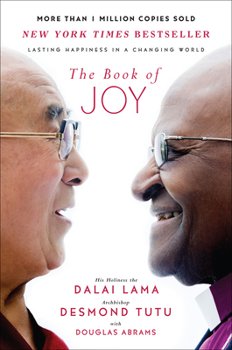
The Book of Joy felt like sitting in a room with two people who have every reason to be bitter… and somehow aren’t. And that’s what makes it land. This isn’t a “life is easy, just be happy” kind of book. These are two men who have lived through real suffering, loss, and injustice—and still talk about joy like it’s something available to you. Not because life is perfect, but because of how you choose to meet it. That part challenged me. There’s a lightness to the book—humor, teasing, genuine warmth between them—that makes it feel human instead of preachy. But underneath that, there’s a pretty direct message: you don’t get to wait for your life to feel better before you allow yourself to feel okay. And if I’m being honest, that’s not always an easy pill to swallow. Some parts felt repetitive, and not everything hit equally for me—but the core ideas stuck. Perspective matters. Gratitude matters. How you relate to your pain matters. This isn’t a book that hands you answers. It shifts how you look at the questions. If you’re in a place where life feels heavy, this doesn’t magically lift it—but it might help you carry it differently. Also… fair warning: there are moments in this book that will probably catch you off guard in the best way. Not dramatic, over-the-top emotional—but quiet, real, human moments that just… land. The kind that make you pause and realize something inside you softened without you even noticing. And if you’re deciding how to take this in—get the audiobook. Even though it’s not actually Dalai Lama and Desmond Tutu narrating, the voices are done so well that it still feels incredibly personal. The warmth, the humor, the way the dialogue flows—it gives the whole experience something extra you don’t quite get just reading it. It feels more like you’re listening in on a conversation than reading a book. And yeah—there’s a good chance you’ll tear up at least once.